On‑site Observations
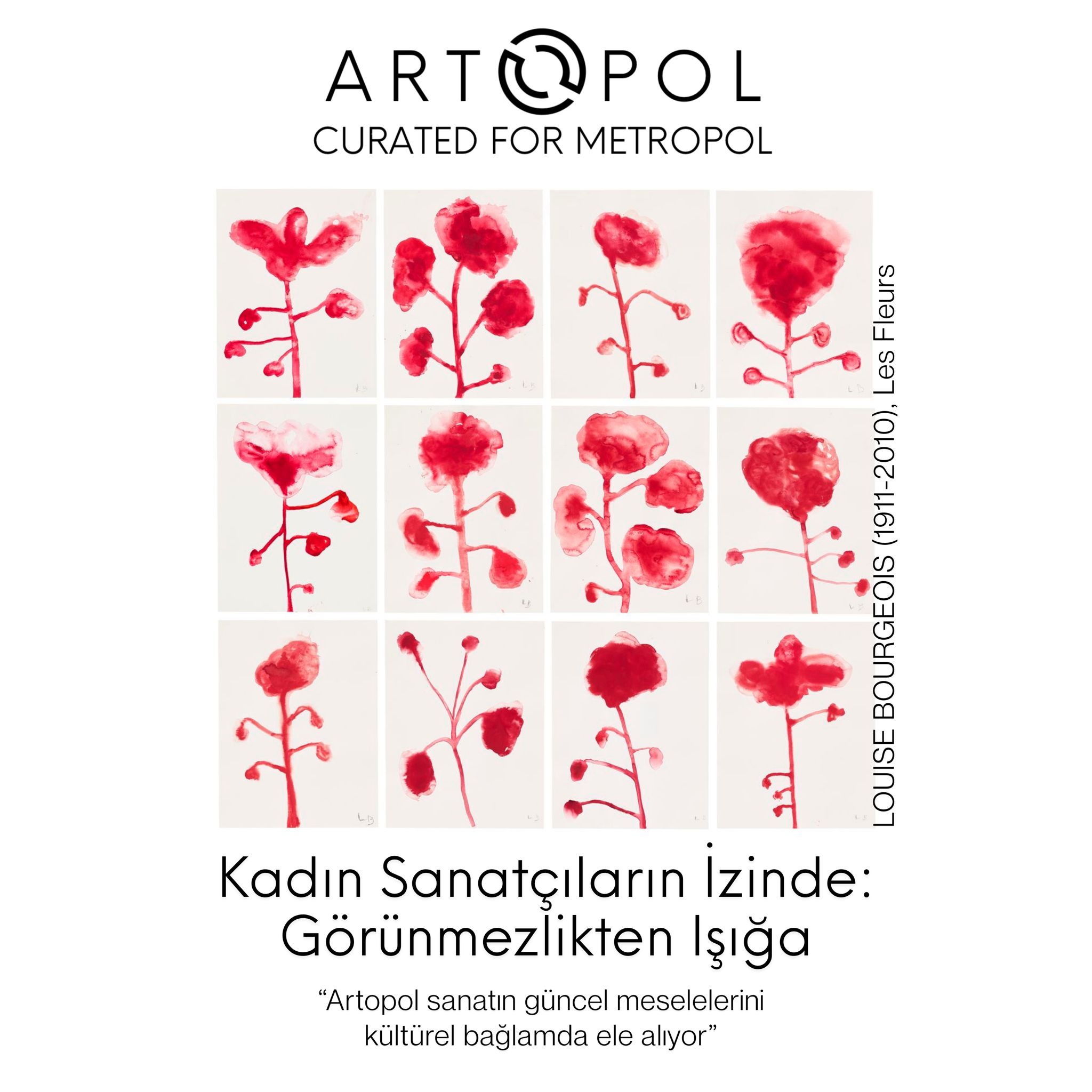
Artopol observed the inaugural Art Basel Qatar on site. Doha’s cultural, architectural, and artistic ambition was palpable—from Jean Nouvel’s light‑woven towers and Arata Isozaki’s Sidra‑tree columns to Louise Bourgeois’s sculptures inhabiting the city. Iconic landmarks such as Burj Doha, Katara Towers, the National Museum of Qatar, and the Qatar National Convention Center highlight the city’s vision of becoming a global cultural hub.
Architectural Vision
Doha’s architectural strategy reflects national identity through symbolic forms while simultaneously showcasing the signatures of internationally renowned architects. This duality positions the city not only as an economic center but also as a showcase of design and culture.
The Fair Atmosphere
The first edition of Art Basel Qatar unfolded with a biennial spirit. The “one gallery – one artist” model created a curatorial framework that allowed diverse voices and tones to emerge.
Gallery & Artist Highlights
Western galleries presented Alex Katz (Gladstone), Philip Guston (Hauser & Wirth), Christo (Gagosian), Marlene Dumas (David Zwirner), Donald Judd (Mignoni), and Charles Ray (Matthew Marks). Eastern perspectives included Hassan Sharif (Gallery Isabelle), Hazem Harb (Tabari), Adel Abidin (Tanit), Pinaree Sanpitak (Lelong), Ali Banisadr (Perrotin), Ali Cherri (Almine Rech), and Raqib Shaw (Thaddaeus Ropac).
Classics were represented by Baselitz (White Cube) and Basquiat & Picasso (Aquavella).
Turkish artists Halil Altındere, Nil Yalter, and Kutluğ Ataman added a distinctive voice to the mix.
Global–Local Balance
The fair’s gallery list reflected a balance between blue‑chip international names—David Zwirner, Gagosian, Hauser & Wirth—and a genuine focus on Arab and regional artists. More than half of the 84 artists came from Southwest Asia and North Africa, underscoring the fair’s commitment to representing active voices from the region.
Curatorial Direction
Wael Shawky’s appointment as artistic director emphasized curatorial coherence over commercialism. Vincenzo de Bellis summarized: “Art Basel aims to respond to each place where we operate… to dig deeper into the artist’s trajectory and offer a different experience.”
Institutional Ambitions
Institutional acquisitions were a clear objective. Galleries brought both historical figures and younger practitioners with substantial bodies of work, hoping to place them in Doha’s museums or with institutional collectors arriving from London, New York, Riyadh, and beyond. As De Bellis noted: “Art Basel aims for museum quality in everything we do… defined by relevance to an artist’s career rather than scale.”
Conclusion
Doha, through Art Basel, positioned itself not merely as a market hub but as a curatorial stage where global and local, modern and classical, Western and Eastern voices converge. Artopol’s on‑site observations reveal a city writing its own cultural manifesto: ambition, diversity, and balance.